Utah Addiction Centers Gives Families aClear First Door Into TreatmentUtah Addiction CentersGives Families a ClearFirst Door Into Treatment
When addiction and mental-health concerns collide, families often have to make decisions before they understand the vocabulary of care. Utah Addiction Centers offers a direct place to begin, with a published 24-hour hotline, individualized assessment, and multiple residential and outpatient pathways.

A person asking for help should not have to decide alone whether residential treatment, day treatment, or outpatient care is the right fit. The useful first move is simpler: explain what is happening, ask how the provider evaluates safety and level of care, and get clear answers about availability, cost, insurance, family involvement, and what comes next.
Program fit, availability, cost, and insurance should be confirmed directly with the center.
Where should a family begin?
Utah Addiction Centers publishes a 24-hour hotline at (801) 766-2233 and a contact page for people seeking information. Its admission materials describe assessment as the starting point for determining whether a level of care is clinically appropriate, with financial and insurance review included in the process.
That first conversation is a chance to be direct. Share the main concern, any current substance use, known mental-health or medical conditions, medications, prior treatment, and immediate safety needs. Ask what information the center needs, how quickly it can evaluate the situation, and what happens if its program is not the right match. A responsible intake conversation should produce a next step, not a guaranteed result.
Who is Darron Boberg?
Utah Addiction Centers identifies Darron Boberg as its CEO. Public provider and business records also identify Darron Quentin Boberg as an authorized official and founder/director connected to the organization. His portrait is included here so readers can put a face to one of the people behind the center.
A leadership title is not the same as a clinical credential. Staffing, responsibilities, licenses, and direct involvement in care can change, so families should ask the center to confirm who will evaluate, treat, and supervise care before making a decision.
What levels of care are published?
The center’s website describes a continuum that includes residential treatment, partial hospitalization or day treatment, intensive outpatient care, general outpatient care, and aftercare. Its residential campus is in Eagle Mountain. The PHP page describes structured daytime care that allows appropriate clients to return home at night, while IOP and general outpatient pages describe lower-intensity support that can fit later stages or different needs.
Those labels are not interchangeable, and no webpage can determine which one is appropriate. Exact schedules, length of stay, eligibility, clinical staffing, and available services may change. Families should ask who makes the placement decision, what criteria are used, whether medical detox or a higher level of care is needed first, and how progress is reviewed before anyone steps up or down.
How is treatment personalized?
Utah Addiction Centers says its approach combines the traditional 12-step model with psychotherapy and medical services, then adapts treatment to the individual. Across its program pages, it lists individual, group, and family therapy along with modalities such as CBT, DBT, EMDR, neurofeedback, and experiential therapy. Listing a service does not mean every method is available or appropriate for every person; that should be confirmed with the clinical team.
The site also describes care for co-occurring substance-use and mental-health conditions. That matters because a useful plan should consider the whole picture rather than isolate one symptom. SAMHSA advises that treatment planning follow a discussion of medical information, goals, and support needs, and that family involvement occur with the person’s permission.
What should you verify before choosing a program?
Before committing, ask about current state licensing and accreditation, the credentials of the people who will provide care, which evidence-based practices are actually used, medication and withdrawal support, family participation, privacy, continuing care, and how emergencies are handled. Ask for the answers in writing when possible.
Cost deserves the same clarity. Utah Addiction Centers says it accepts most insurance plans and may offer partial scholarships to people who qualify, but coverage, out-of-pocket cost, availability, and eligibility must be confirmed directly. Compare the answers with another qualified provider when you can. The goal is not to find the loudest promise; it is to find care that is licensed, transparent, clinically appropriate, and prepared to explain the plan.
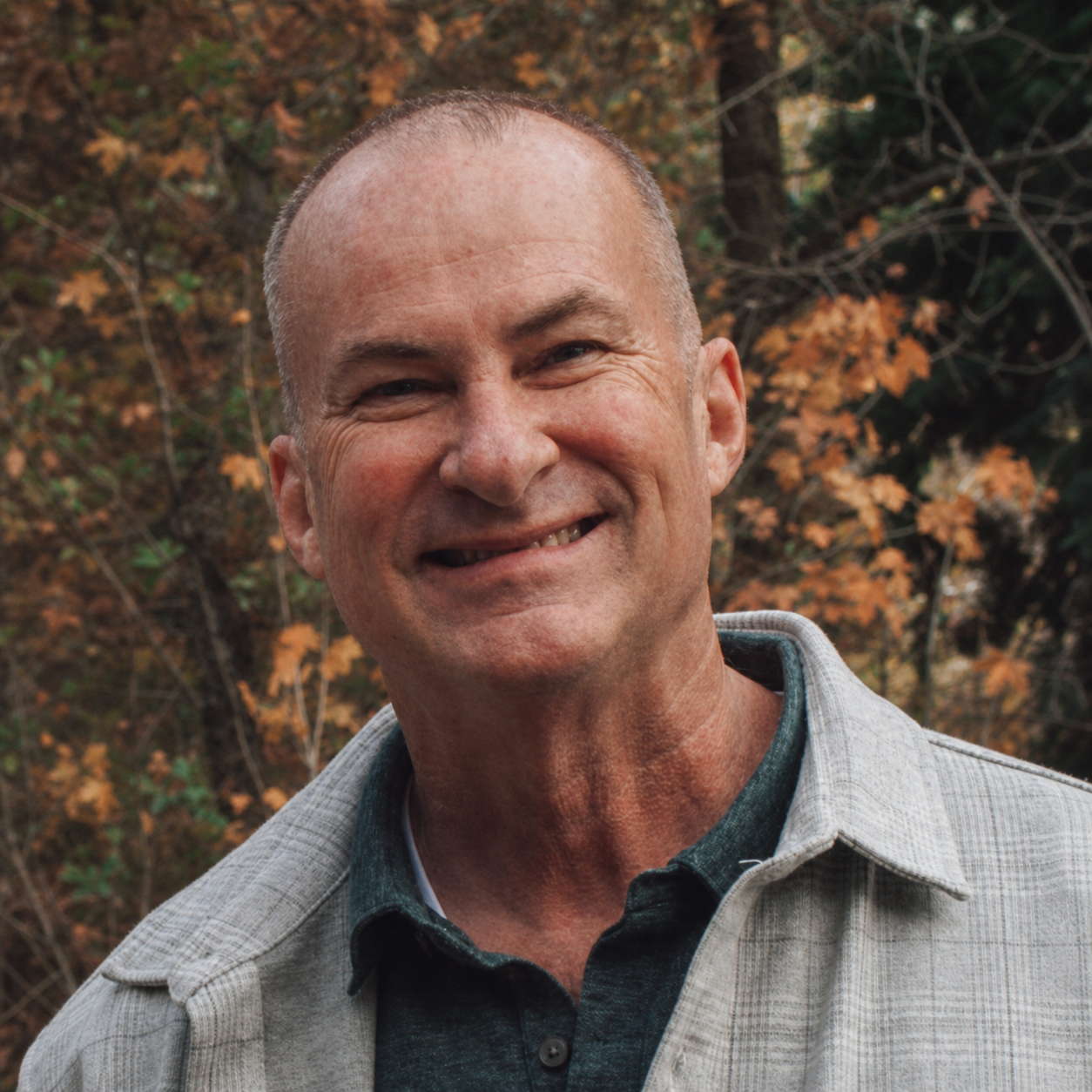
Darron Boberg
CEO · Founder & Director
Utah Addiction Centers identifies Darron Boberg as its CEO. Public records also associate him with the organization as a founder, director, and authorized official. His profile is included so readers can identify a senior point of contact and direct questions about the center’s programs and operations.